Media Lab
Department of Design, IIT Guwahati
Teaching / Main courses / New Media Studies
The Medium, the Machine, and the Interface
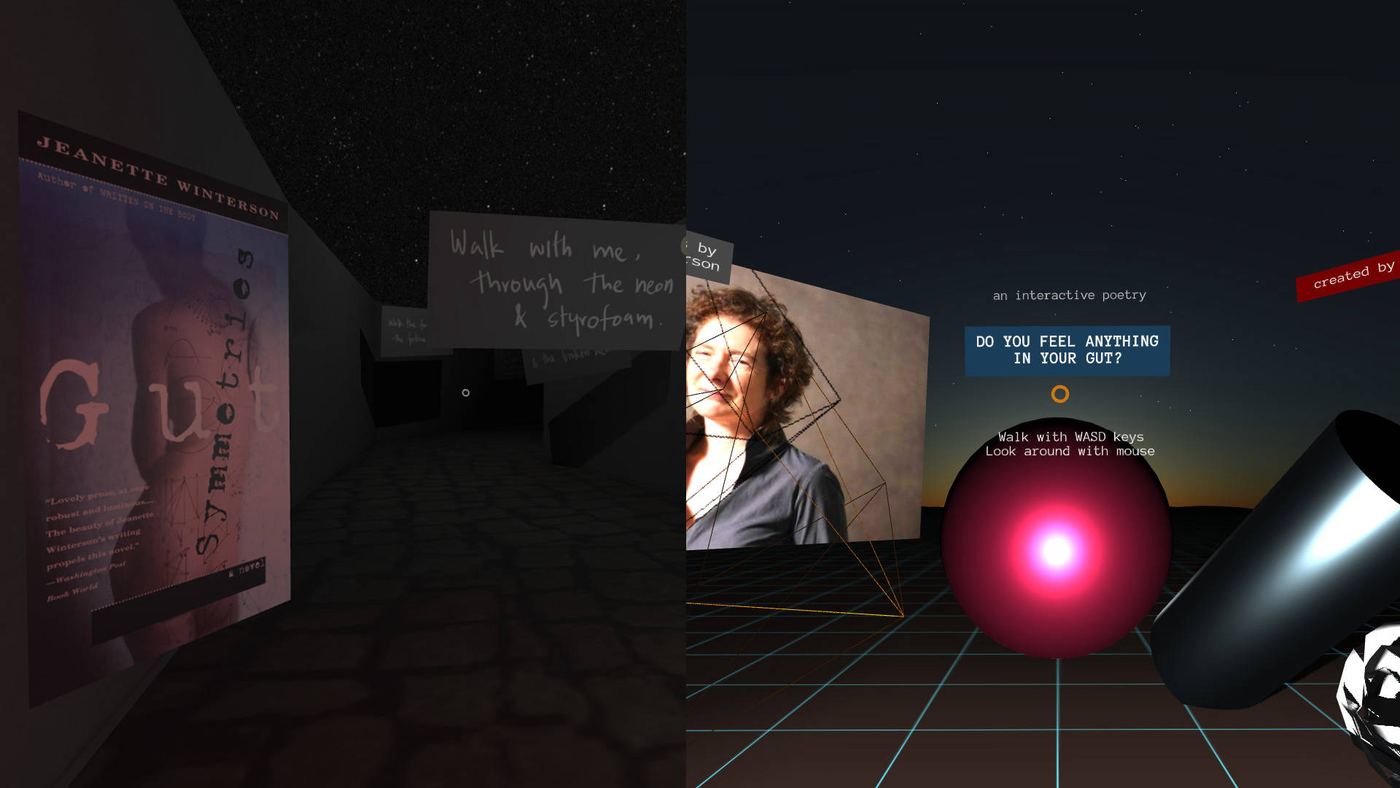
A theoretical survey of new media through three thinkers — Marshall McLuhan's media ecology, Friedrich Kittler's media determinism and Lev Manovich's software epistemology — examining how computational media reshape perception, culture and power.
What happens when the medium is the message? Do media, rather than humans, drive history? How does software change what culture means? The course builds a new media theory canon from McLuhan, Kittler and Manovich, and treats new media not as a list of technologies — smartphones, AI, social platforms — but as ontological shifts.
McLuhan
How digital interfaces extend or amputate the senses; what the “global village” becomes under algorithmic fragmentation; and his vocabulary of hot and cold media, figure and ground, and the tetrad of media effects.
Kittler
A challenge to McLuhan's humanism: humans as side effects of media systems. What happens when optical media, gramophones and computers process data beyond human perception — the computer as a “universal medium”, and discourse networks, not authors or subjects, producing history.
Manovich
Linking German media theory to software studies by asking what is “new” about new media. The toolkit: numerical representation, modularity, automation, variability and transcoding — where the cultural and computer layers collapse, the database becomes a symbolic form and the interface an ideological battlefield.
Anyone who suspects the interface is a machine for producing reality rather than a neutral window.
Study of the history of modern visual and media cultures. Conventions and techniques of old media: rectangular frame, mobile viewpoint and montage. Relationship between the language of multimedia and nineteenth-century pro-cinematic cultural forms; functions of screen, mobile camera and montage in new media as compared to cinema; theory of cultural interfaces. Principles of new media: discrete representation, numerical representation, automation, variability. The new media object; the changing relationship of representation; the database as a genre of new media; the logic of remediation; the digital dialectic. Digital cinema and the history of the moving image; the new language of cinema. Forms of new media: installations, sound art, net art. The free software movement and open source. New media art installation and cross-media practice; media art as an intercommunicative process. Interactivity and interface: models of interactive systems. Computation as an expressive medium. Aspects of tactical media. The Cyborg Manifesto.