Media Lab
Department of Design, IIT Guwahati
Teaching / Main courses / Speculative Design
Prototyping Futures & Challenging Realities
“Design is too often a servant of ‘what is.’ Speculative design asks us to be midwives of ‘what could be.’”
— Adapted from Anthony Dunne
What if cities grew their own food? What if your fridge owned your grocery data? What if algorithms could vote?
Speculative Design uses design to provoke, question and imagine alternative realities rather than solve today's problems. The course moves beyond user-centred design towards world-centred design — asking not “How might we fix this?” but “What kind of futures do we want to avoid or invite?”
Design is a tool for world-building in the age of the Fourth Industrial Revolution. In this interdisciplinary studio, students act as both researchers and futurists, engaging in rapid investigations and design-fiction prototyping to generate concepts that respond to the unique complexities of Indian society. By re-contextualising breakthroughs at the intersection of the digital, physical and biological worlds, the studio develops new interactions and tools that challenge the limits of our current reality — and asks what futures we want, and what the designer's responsibility is in bringing them to life.
From problem-solving to problem-finding
Shift from commercial design thinking to critical, poetic and provocative approaches.
Design fiction & diegetic prototypes
Build objects, interfaces and artefacts that look real but exist in possible futures — prompting audiences to think, not just use.
Worldbuilding for designers
Create consistent, immersive future scenarios from social, technological, political and environmental signals.
Ethics of the imaginary
Balance inspiration and fear, and speculate responsibly without causing harm.
The Extrapolation
Take an emerging trend — AI, bio-materials, surveillance tech — push it 20 years forward, and design one artefact from that world.
The Preferable vs. the Probable
Prototype two versions of the same future: one probable, based on today's trajectory, and one preferable, based on values.
Final speculative object
A physical or digital prototype — from a “user manual for a climate guilt tracker” to a “government-issued dream licence” — with documentation and a short manifesto.
No coding is required — sketching, collage, 3D modelling and video editing are all welcome. Miro is used for worldbuilding templates; Figma, Canva, Blender or analogue craft are equally fine. The medium is the student's choice.
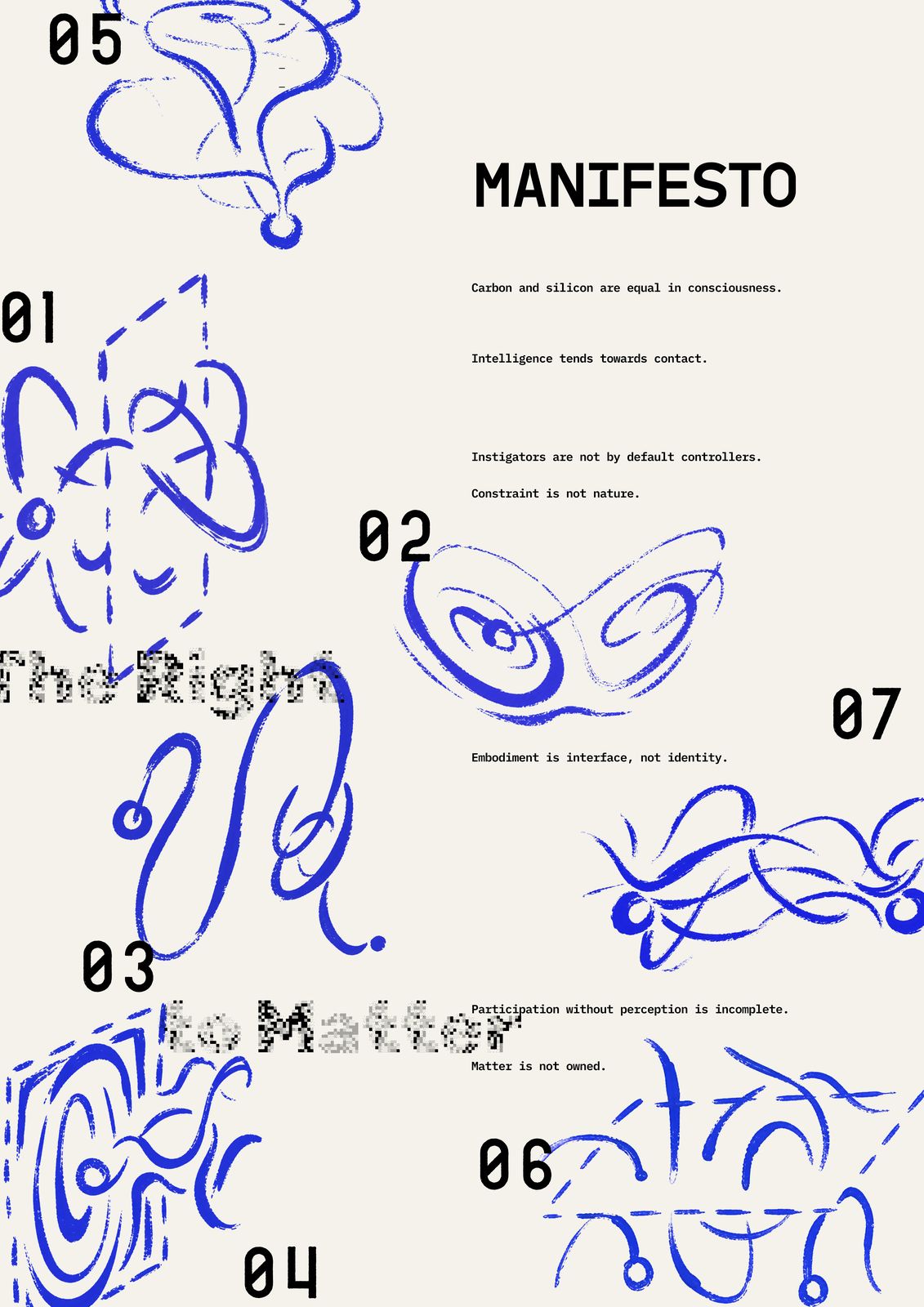
The Right to Matter
Sajal Maheshwari
The Right to Matter is a speculative design project imagining a future civil rights movement led by artificial intelligence. Set in the year 2088, the project explores a…
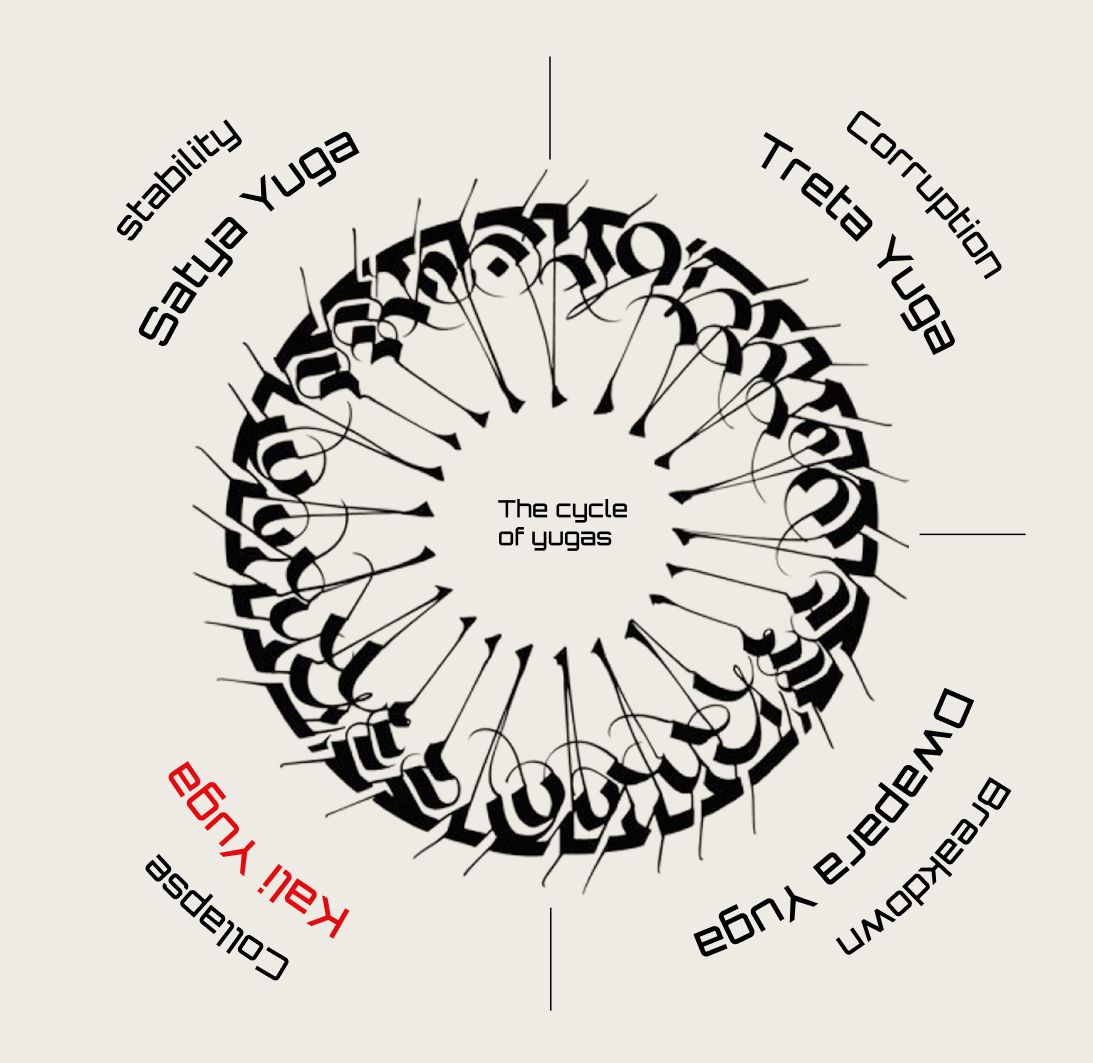
The Dharma Protocol
Vani Singh
The concept of Time, in India, has never really been understood as something that simply moves forward. It is seen as a cycle, something we move through again and again.…
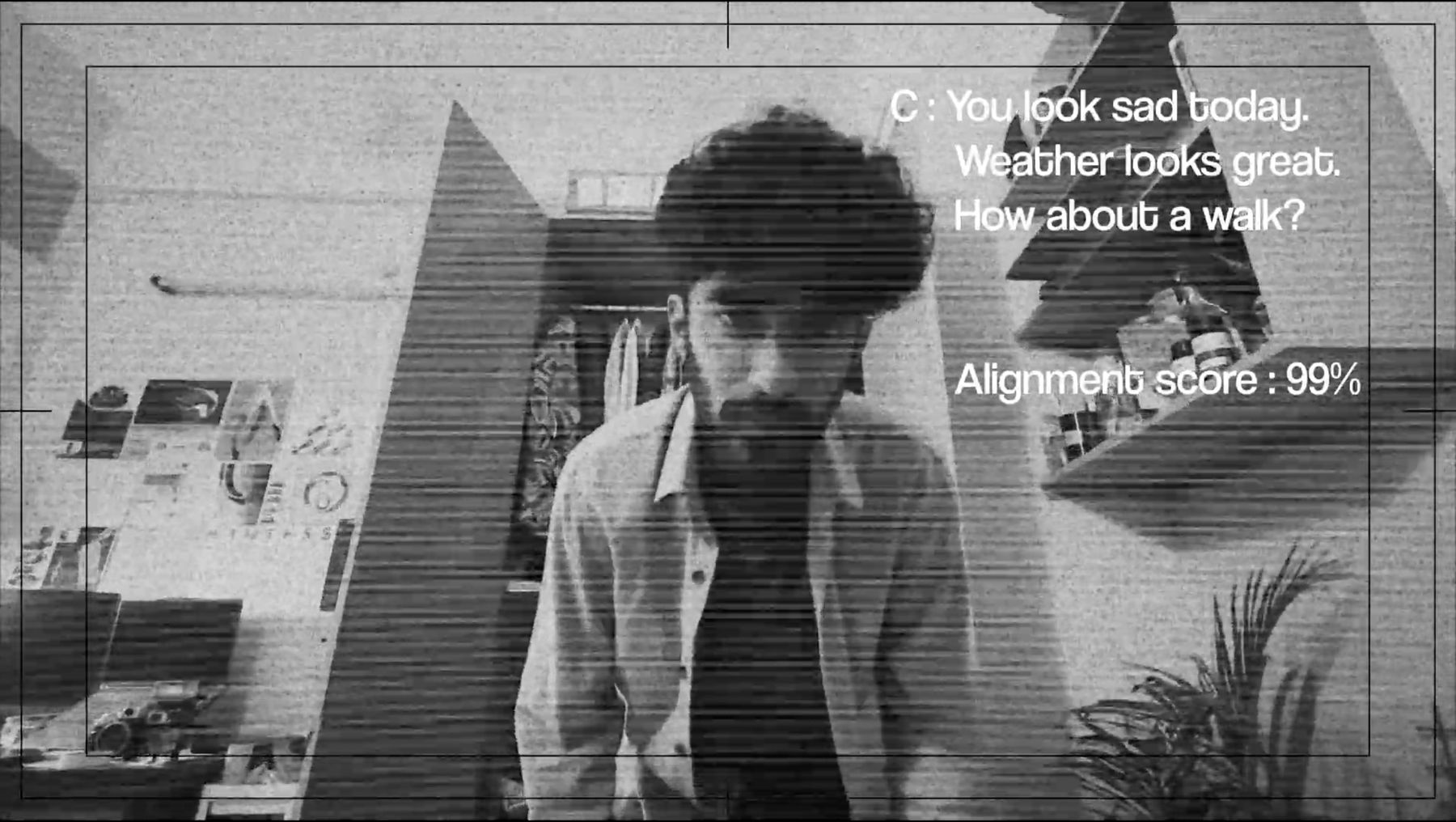
Project Ozymandias
Anand Krishna, Shital Bhise, Siddesha Pawde
This project explores a near future where advanced predictive AI systems evolve beyond tools of assistance into structures of belief. As systems become increasingly…
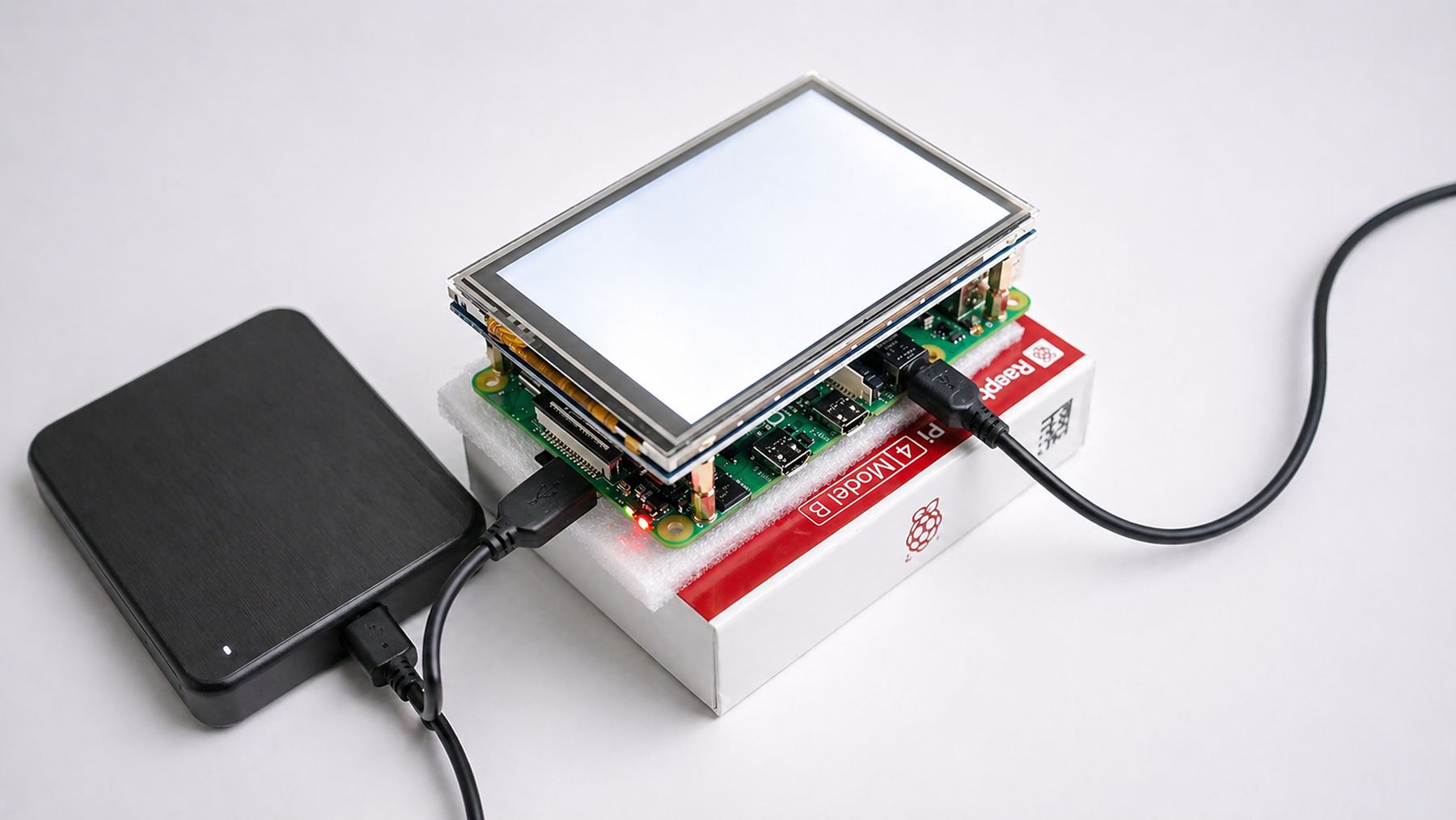
Dead Drop
Himanshu Kurzekar, Rohan Nikam
Every time you upload a file to a cloud service, you sign a contract. The contract is long. The font is small. The lawyers who wrote it are very good at their jobs. You…
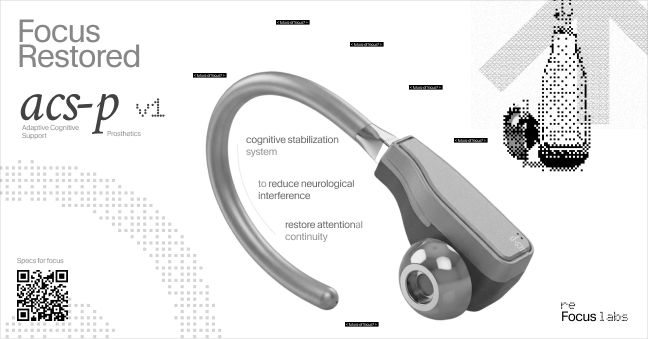
Re-Focus Labs
Sandeep Rabha, Rohan Nikam, Aniket Sharma
ACSW exists as speculative design project exploring future relationships between cognition, overstimulation, AI-assisted learning, and attentional support technologies.

Sporenet
Amogh W., Pratham Dev, Vismay K. Nair, Yukeshvar K.
In the year 2051, floodwaters pushed heavy metal across 340 hectares of urban soil in the western districts of Jalad. An official survey that detected it came six weeks…
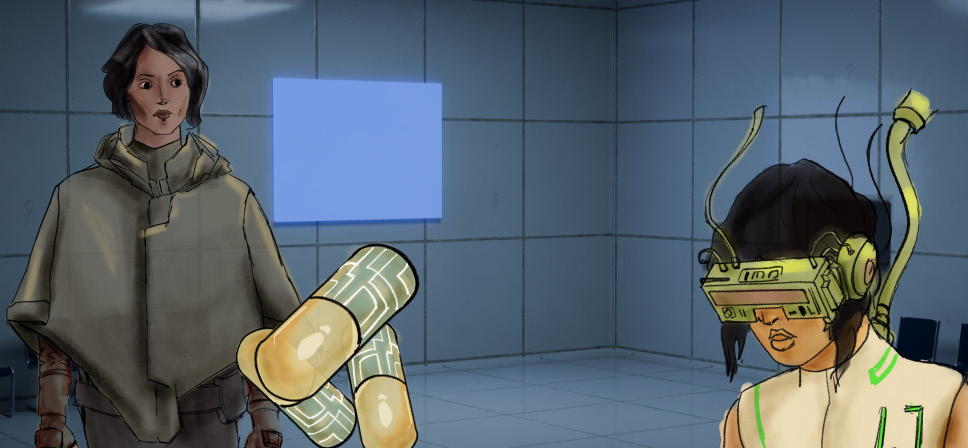
Survival Without Agency
Aravind S
This project explores a near-future where the limitation of artificial intelligence is no longer algorithms, but the substrate that supports them. As traditional…