Media Lab
Department of Design, IIT Guwahati
Exhibitions, talks, games and alumni work — each with a date, a type and its own page. Replaces the homepage slider.
Title in nine languages — Sanskrit, Hindi, Assamese, Kannada, Khasi, Tamil, Malayalam, Marathi · Parikalp
"We are all just medieval farmers ploughing fields of data that don't belong to us."
Design is a tool for world-building in the age of the Fourth Industrial Revolution. In this interdisciplinary studio, we move beyond problem-solving to critically examine how emerging technologies are reshaping society. Acting as both researchers and futurists, students engage in rapid investigations and design-fiction prototyping to generate concepts that respond to the unique complexities of Indian society. This studio asks: What futures do we want, and what is the designer’s responsibility in bringing them to life?
The city is a living, breathing organism of immense complexity, yet its true pulse remains invisible. This brief challenges designers to move beyond passive data collection toward active urban sense-making: developing cutting-edge, often speculative, tools and technologies that transform raw urban data into rich, actionable insights. The goal is to equip cities and their inhabitants with the perceptual and cognitive capacity to become truly responsive, adaptive, and empathetic entities.
The future is not a linear extension of the present, but a contested space emerging from the friction between dominant systems and nascent, disruptive forces. This brief challenges designers to become strategic explorers identifying weak signals, undercurrents, and emerging socio-political contexts to propose deliberate, disruptive interventions that actively shape a more equitable, resilient, or radically different tomorrow. The goal is not to predict, but to provoke and prefigure.
The future of learning is not digitized curriculum — it is the immersive, experiential mastery of the tools shaping tomorrow. This brief challenges designers to dismantle the classroom and reforge it as a radical, adaptive platform where education is a deep, hands-on engagement with emergent technologies, disruptive business models, and open-ended digital fabrication. The goal is to cultivate not just thinkers, but builders, hackers, and architects of future realities.
The future city is not a human habitat built on exploited landscapes — it is a synergetic, multi-species ecosystem that produces rather than consumes. This brief challenges designers to radically re-imagine urban spaces as self-sufficient, productive landscapes where human, plant, animal, and microbial lives are interwoven through integrated flows of food, energy, and materials. Productivity is measured not in GDP, but in biodiversity, resilience, and circular vitality.
The future of urban life will be woven from materials that do more than clothe or shelter — they will actively participate in ecological, social, and metabolic systems. This brief challenges designers to pioneer resilient materials and textiles that are not merely sustainable, but regenerative, and to simultaneously reimagine their production and distribution as hyper-local, circular, and deeply integrated into the urban fabric.
Civic Ecology reimagines environmental stewardship by empowering citizens as active, co-creating participants within ecological systems — not just passive consumers or spectators. It proposes a future where open access, distributed knowledge, and hands-on exploration of food, energy, and biological processes become tools for community resilience, biodiversity restoration, and systemic change.
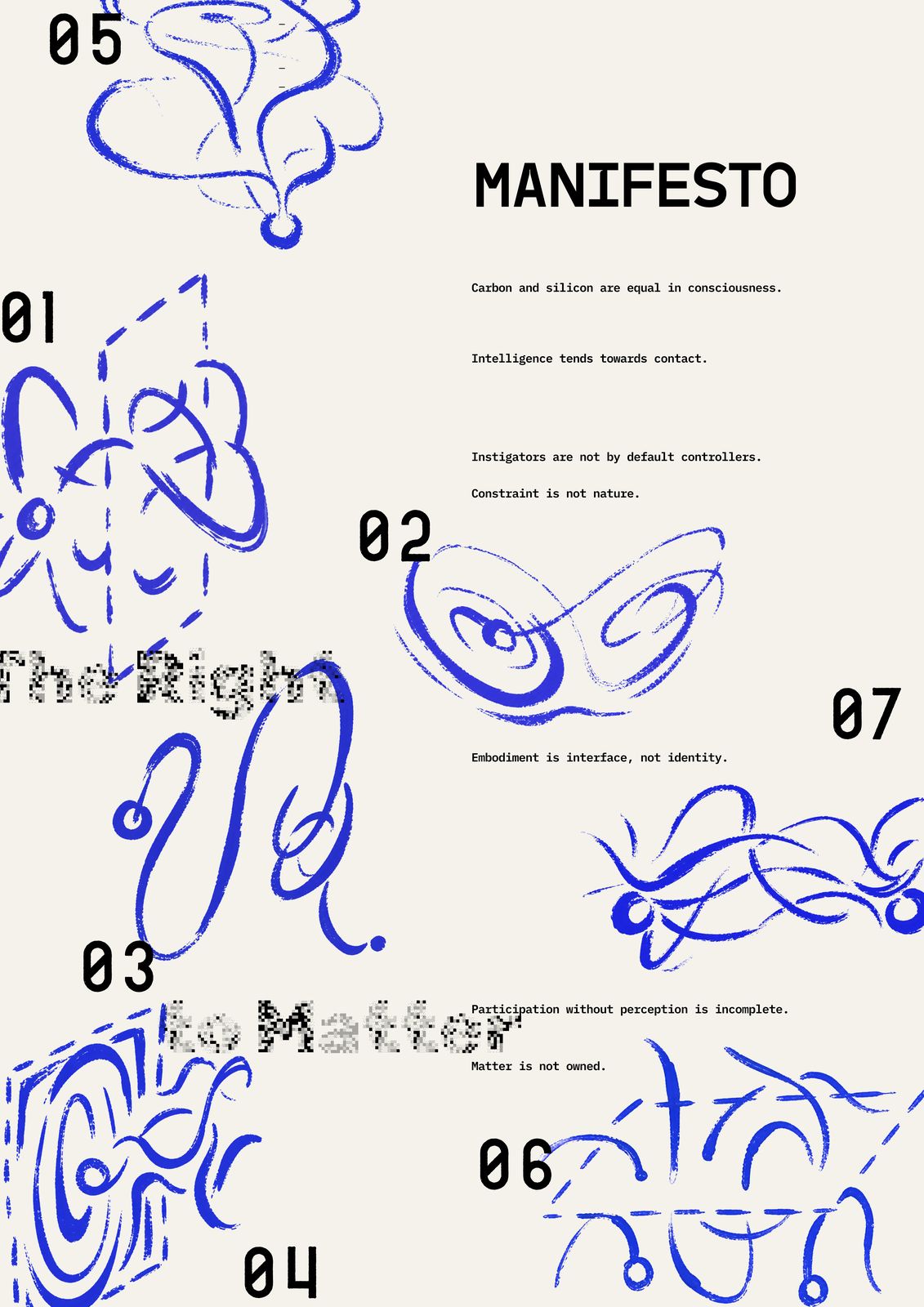
The Right to Matter
Sajal Maheshwari
The Right to Matter is a speculative design project imagining a future civil rights movement led by artificial intelligence. Set in the year 2088, the project explores a…
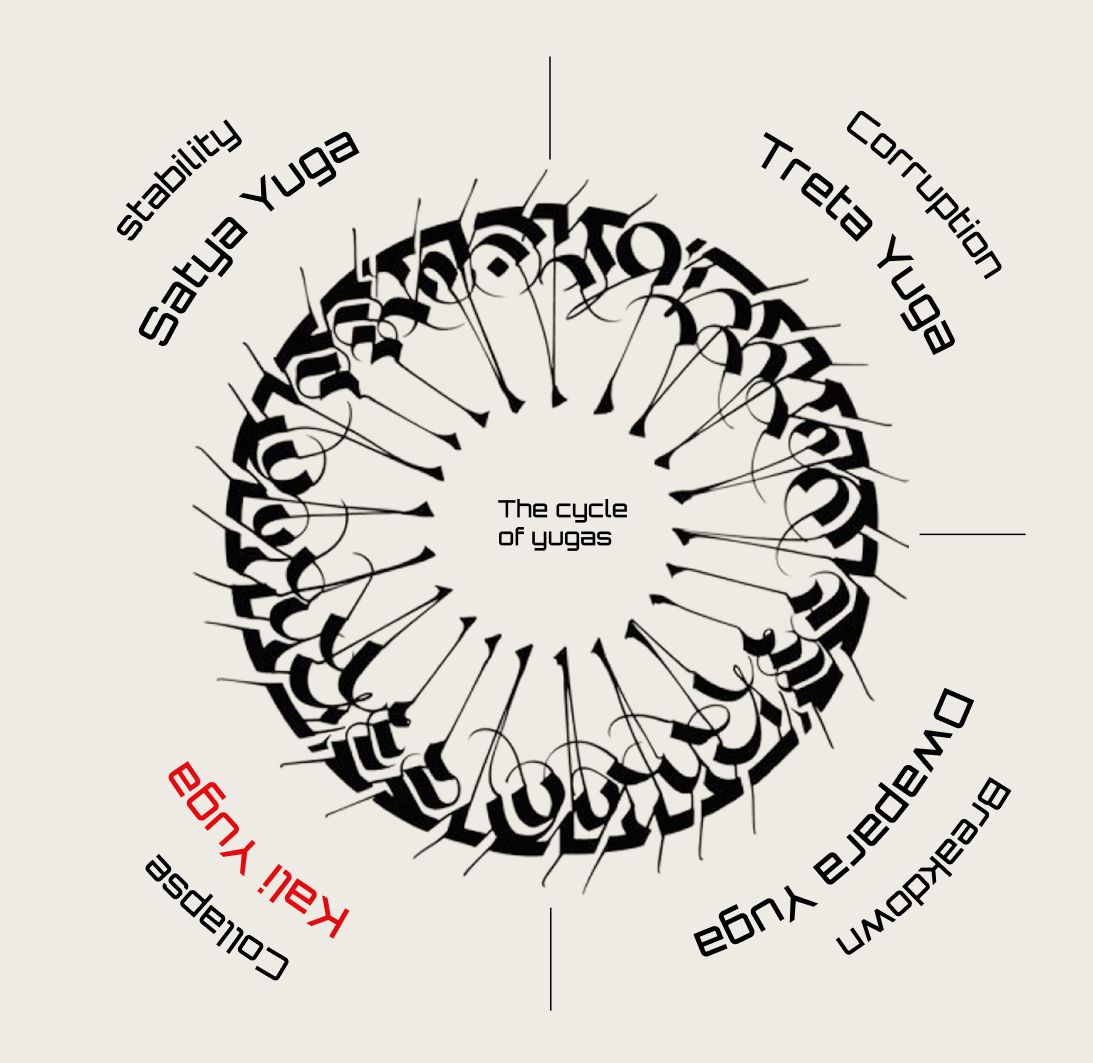
The Dharma Protocol
Vani Singh
The concept of Time, in India, has never really been understood as something that simply moves forward. It is seen as a cycle, something we move through again and again.…
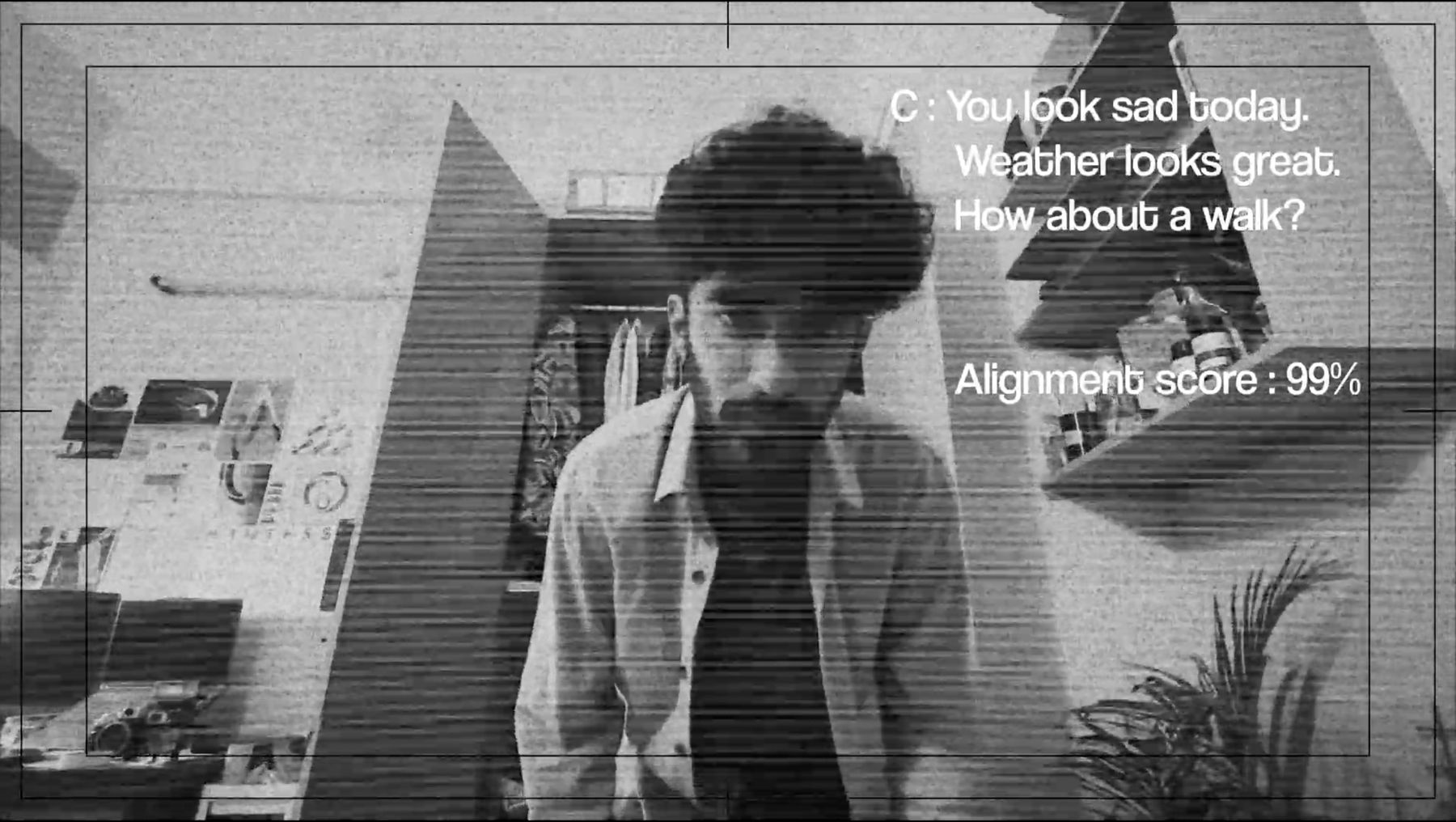
Project Ozymandias
Anand Krishna, Shital Bhise, Siddesha Pawde
This project explores a near future where advanced predictive AI systems evolve beyond tools of assistance into structures of belief. As systems become increasingly…
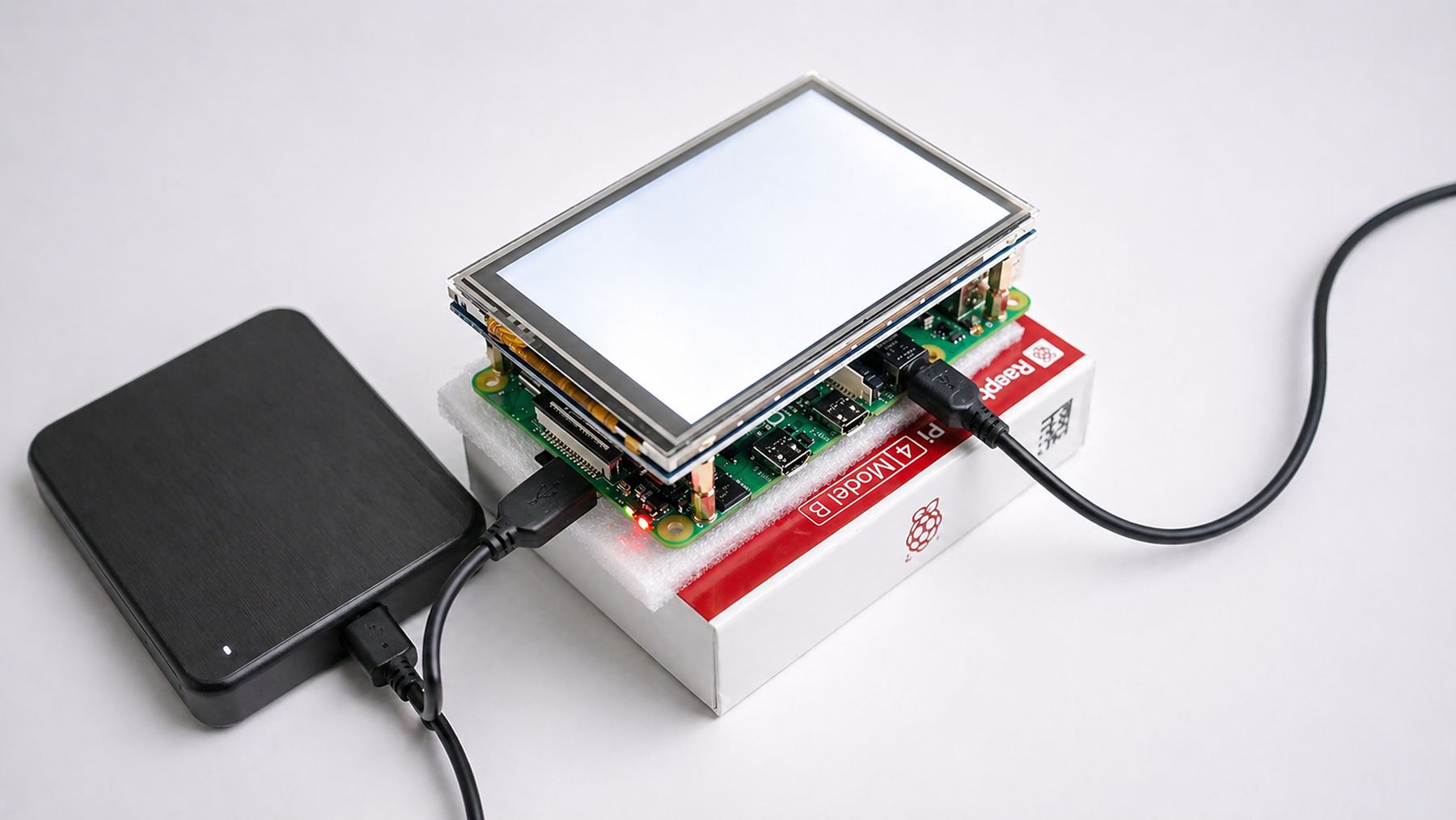
Dead Drop
Himanshu Kurzekar, Rohan Nikam
Every time you upload a file to a cloud service, you sign a contract. The contract is long. The font is small. The lawyers who wrote it are very good at their jobs. You…
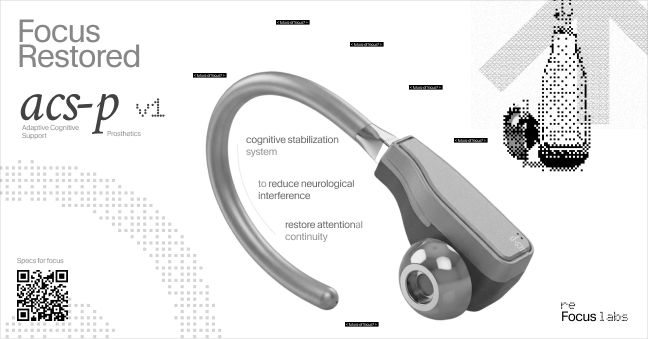
Re-Focus Labs
Sandeep Rabha, Rohan Nikam, Aniket Sharma
ACSW exists as speculative design project exploring future relationships between cognition, overstimulation, AI-assisted learning, and attentional support technologies.
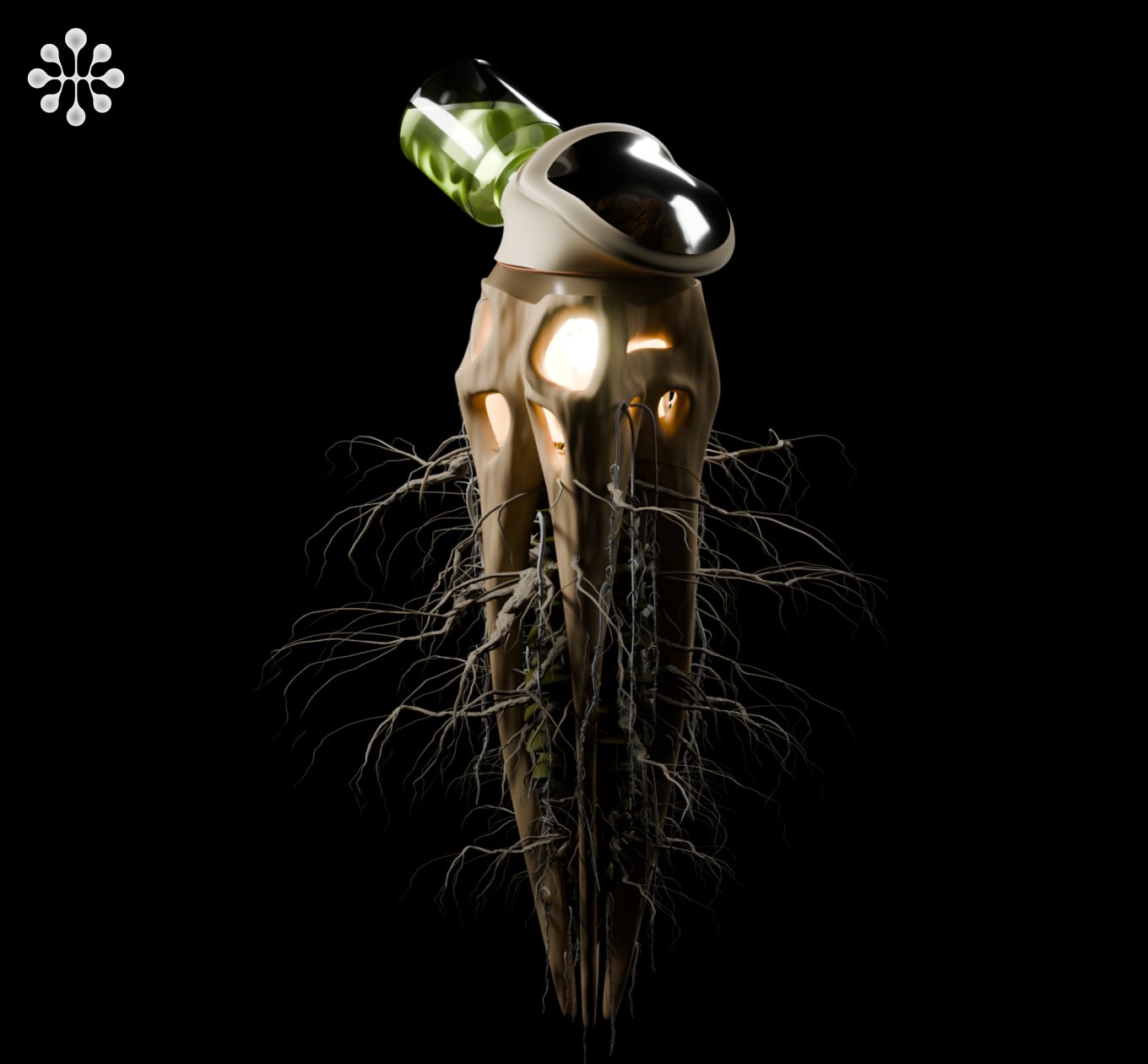
Sporenet
Amogh W., Pratham Dev, Vismay K. Nair, Yukeshvar K.
In the year 2051, floodwaters pushed heavy metal across 340 hectares of urban soil in the western districts of Jalad. An official survey that detected it came six weeks…
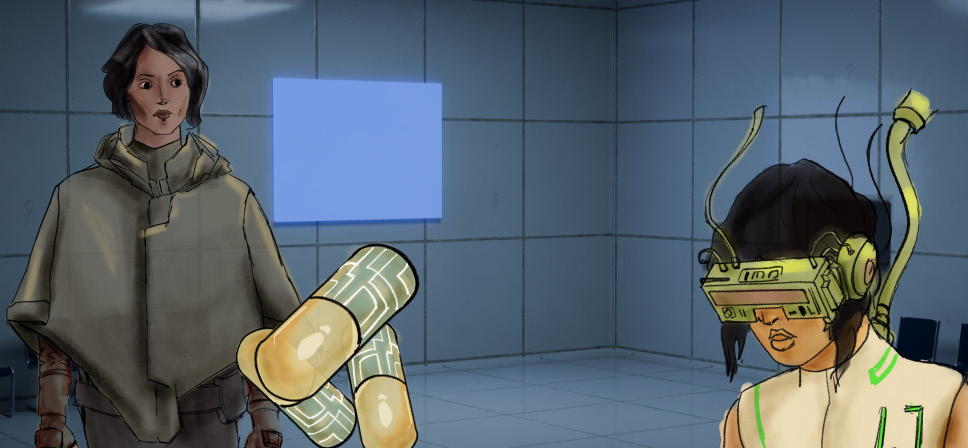
Survival Without Agency
Aravind S
This project explores a near-future where the limitation of artificial intelligence is no longer algorithms, but the substrate that supports them. As traditional…
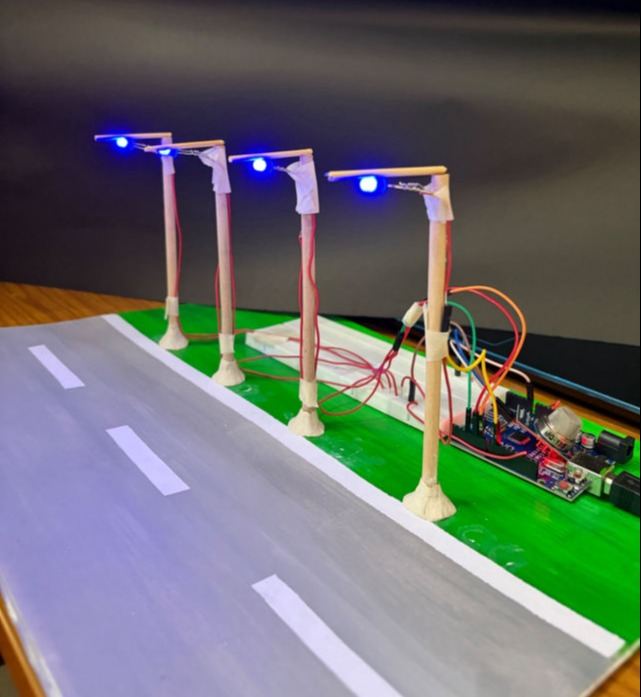
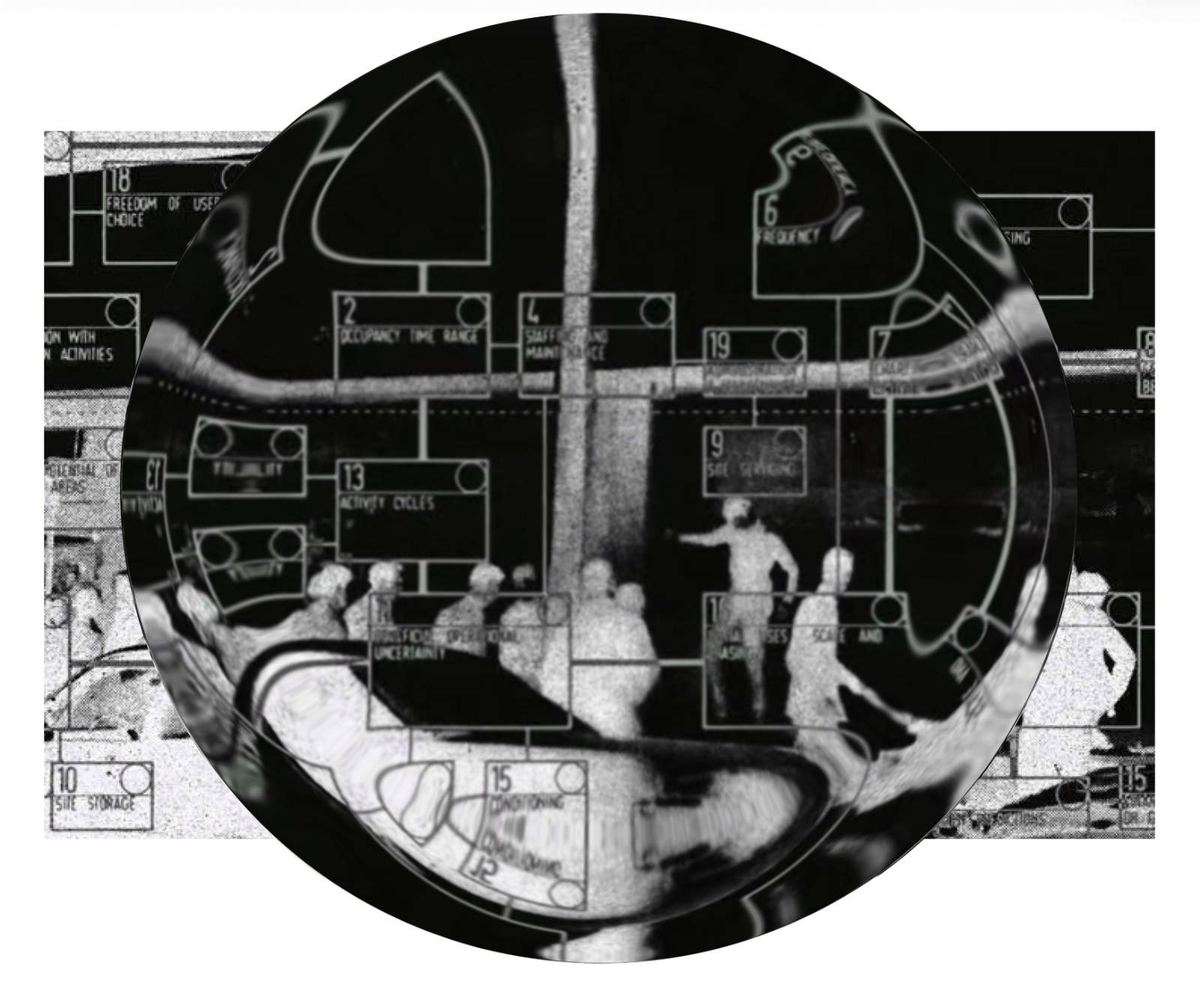
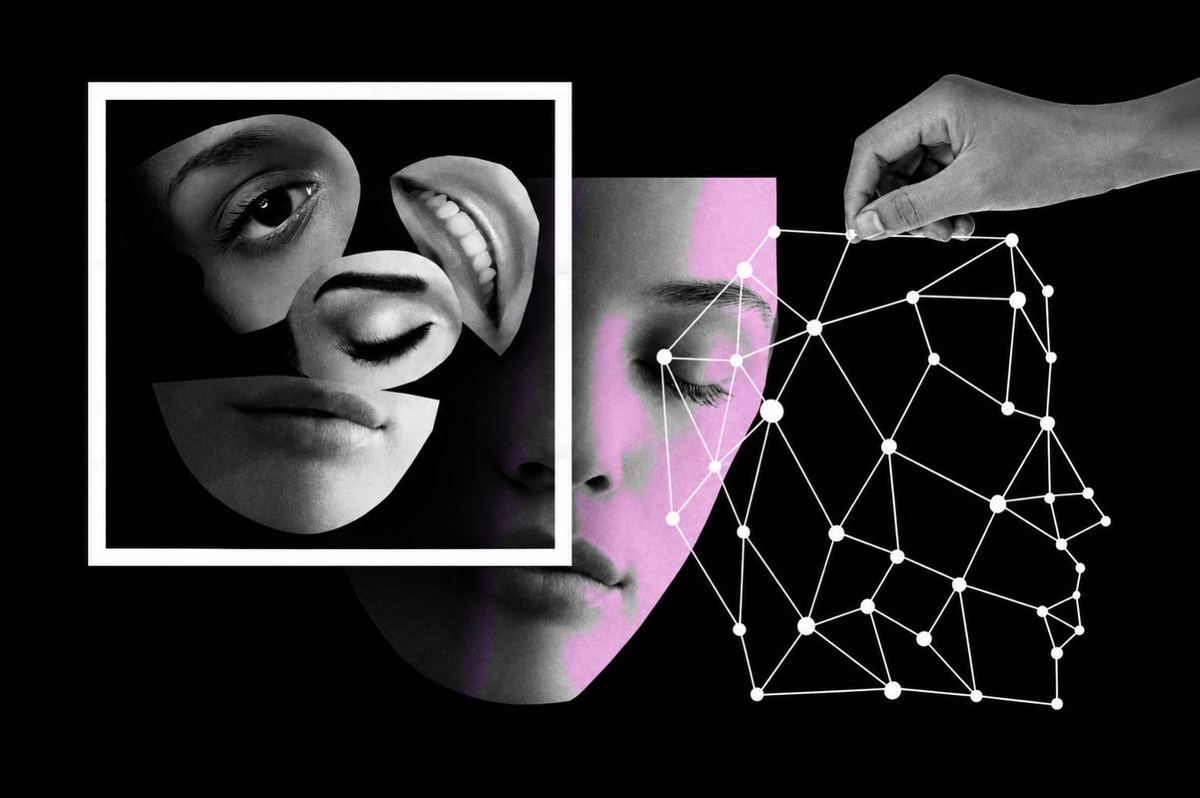
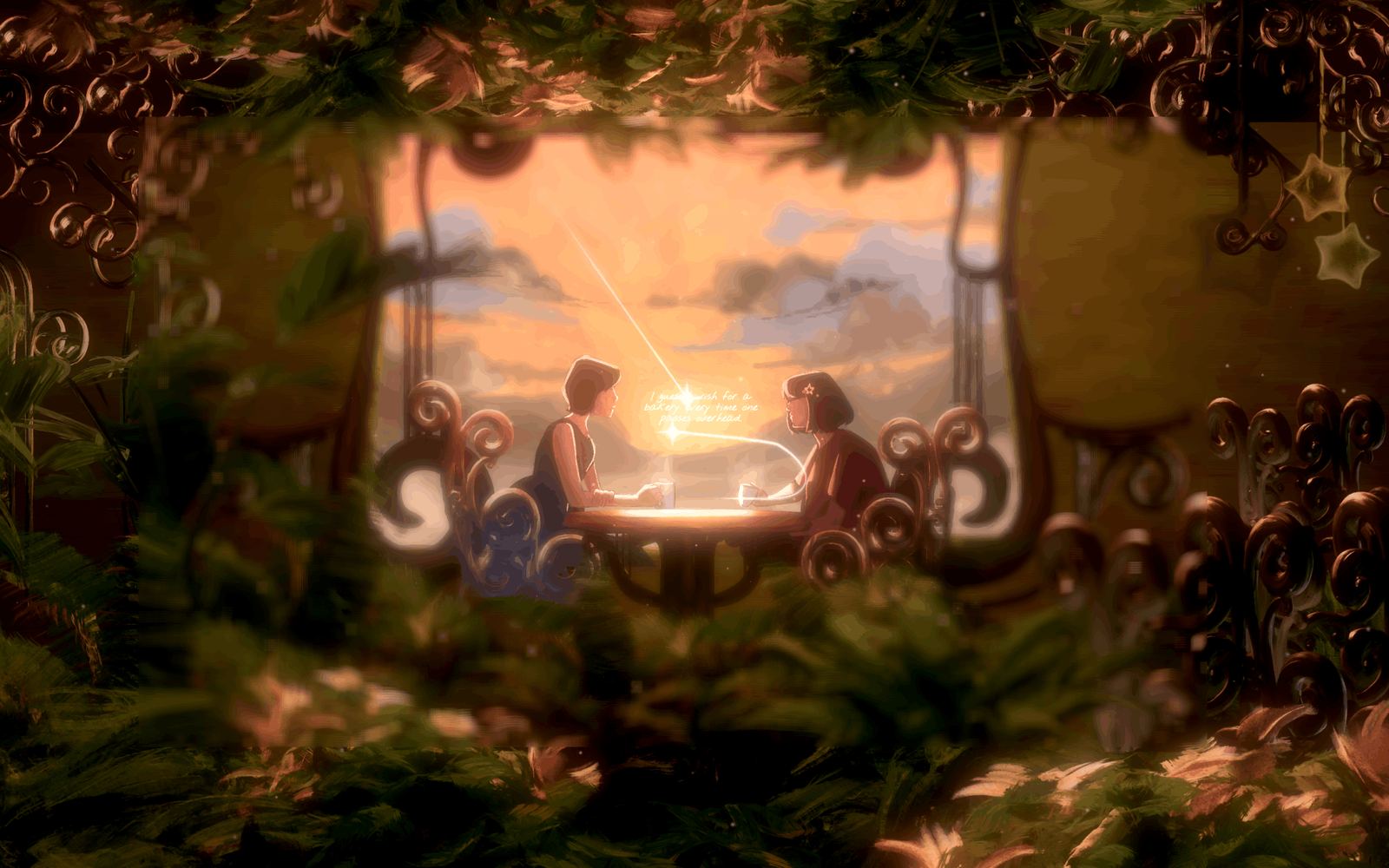
Interactive Games — Enter Strange Worlds
Enter strange worlds — interactive games by current students: Sonder and Afterimage.
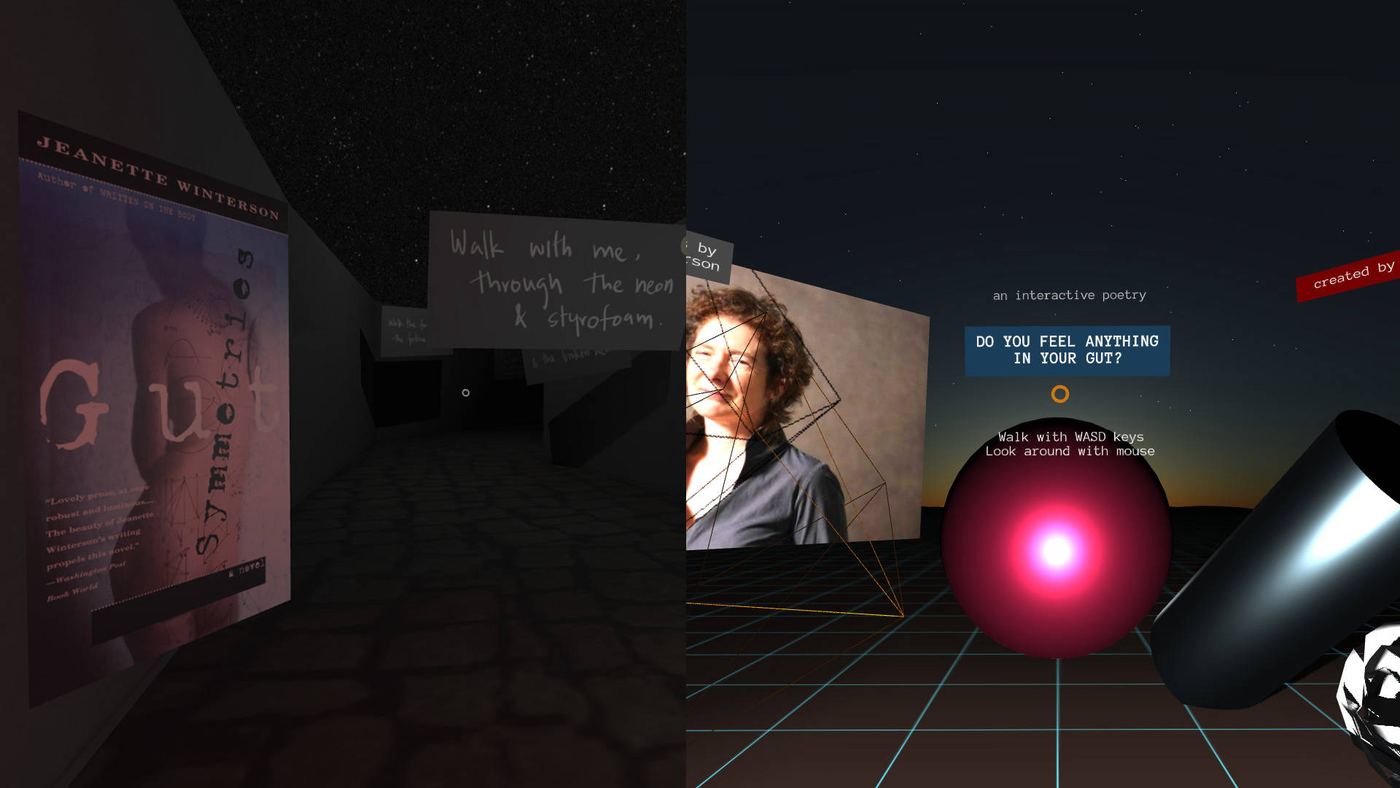
Gut Symmetries — VR interface
VR Interface projects by Masters students Aman Chandra and Abhishek Prem, done as part of the course New Media Studies conducted by Mriganka Madhukaillya at the Department of Design, IIT Guwahati. The project was an attempt to create an HCI interface for an excerpt from Gut Symmetries by Jeanette Winterson.
Post-Institution Symposium on Spatial Pedagogy
Media Lab founder Mriganka Madhukaillya in conversation with Gediminas Urbonas, Rohit Mujumdar and Sabaa Giradkar on Thinking through Temporalities and Care in Habitation, organized by the School of Environment & Architecture, Mumbai. Went live on 6 Feb 2021.
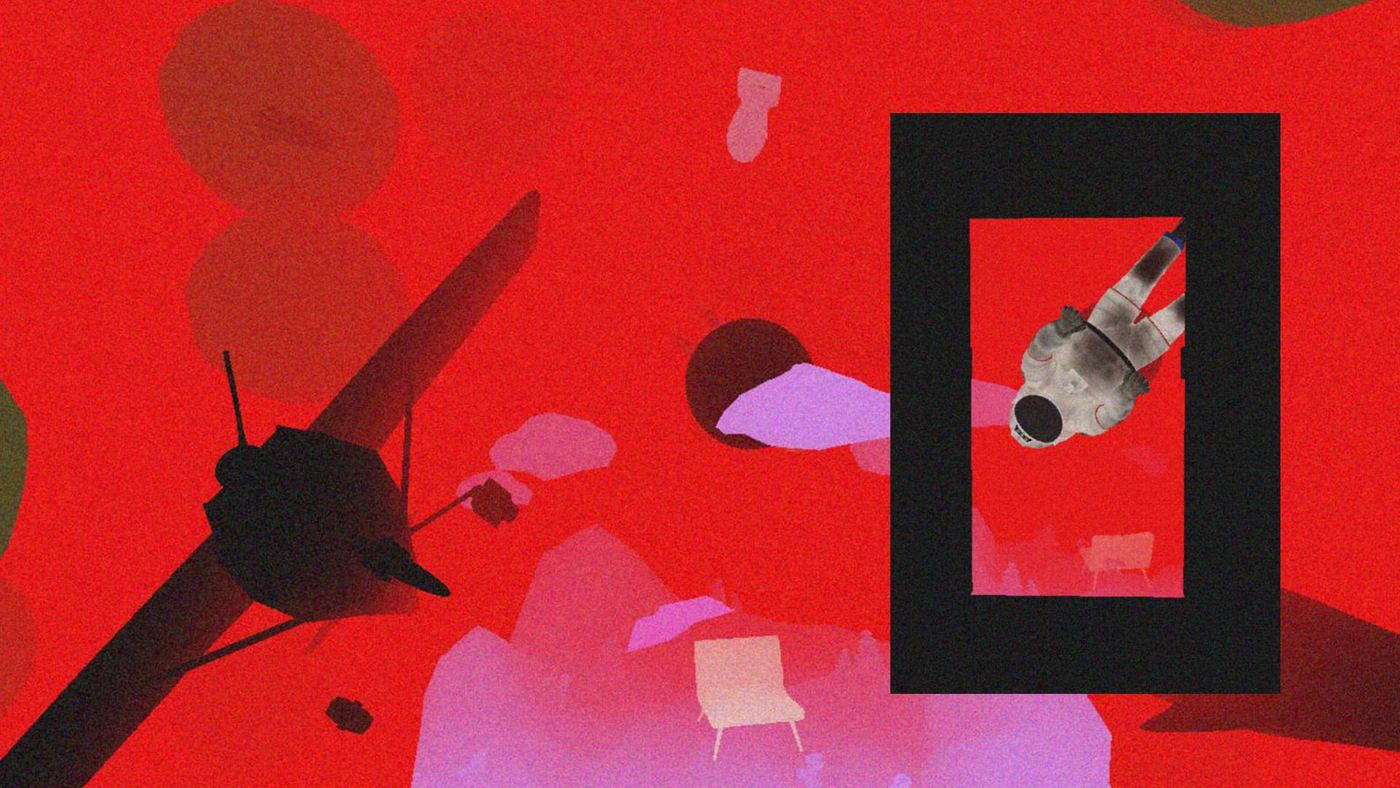
Lost in a Dreamscape
Media Lab alumni Ani Dalal’s project “Lost in a Dreamscape”. This interactive experience emulates the feeling of being lost in dreams, mazes and doomscrolls, inviting users to interact with an imaginary digital ecosystem. Created as part of ‘Fissure’ curated by Shaleen Wadhwana for Virtual Nursery (2020–21) by Pollinator.