Media Lab
Department of Design, IIT Guwahati
Projects / Speculative Design / The Dharma Protocol
A speculative journey into India 2075
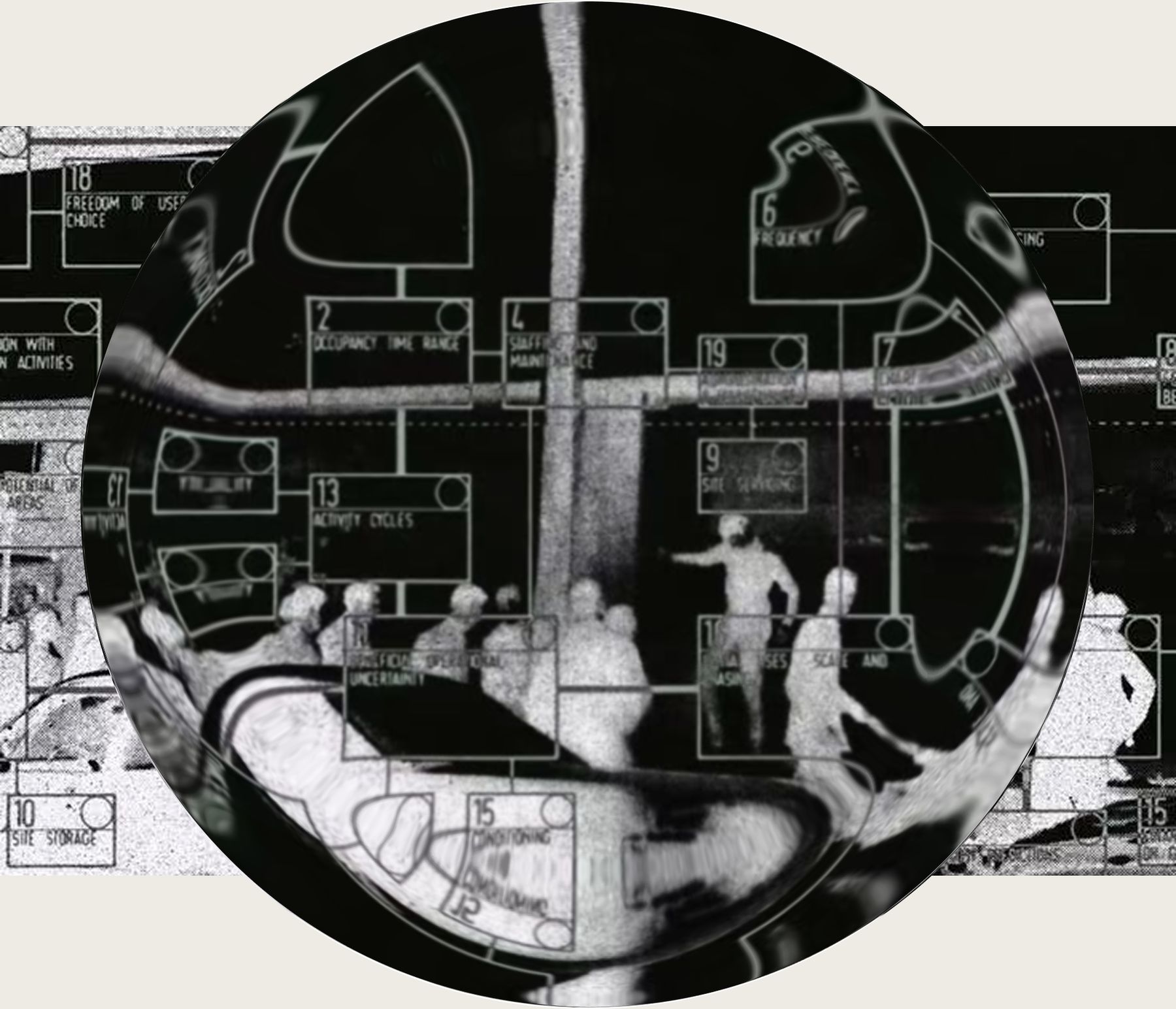
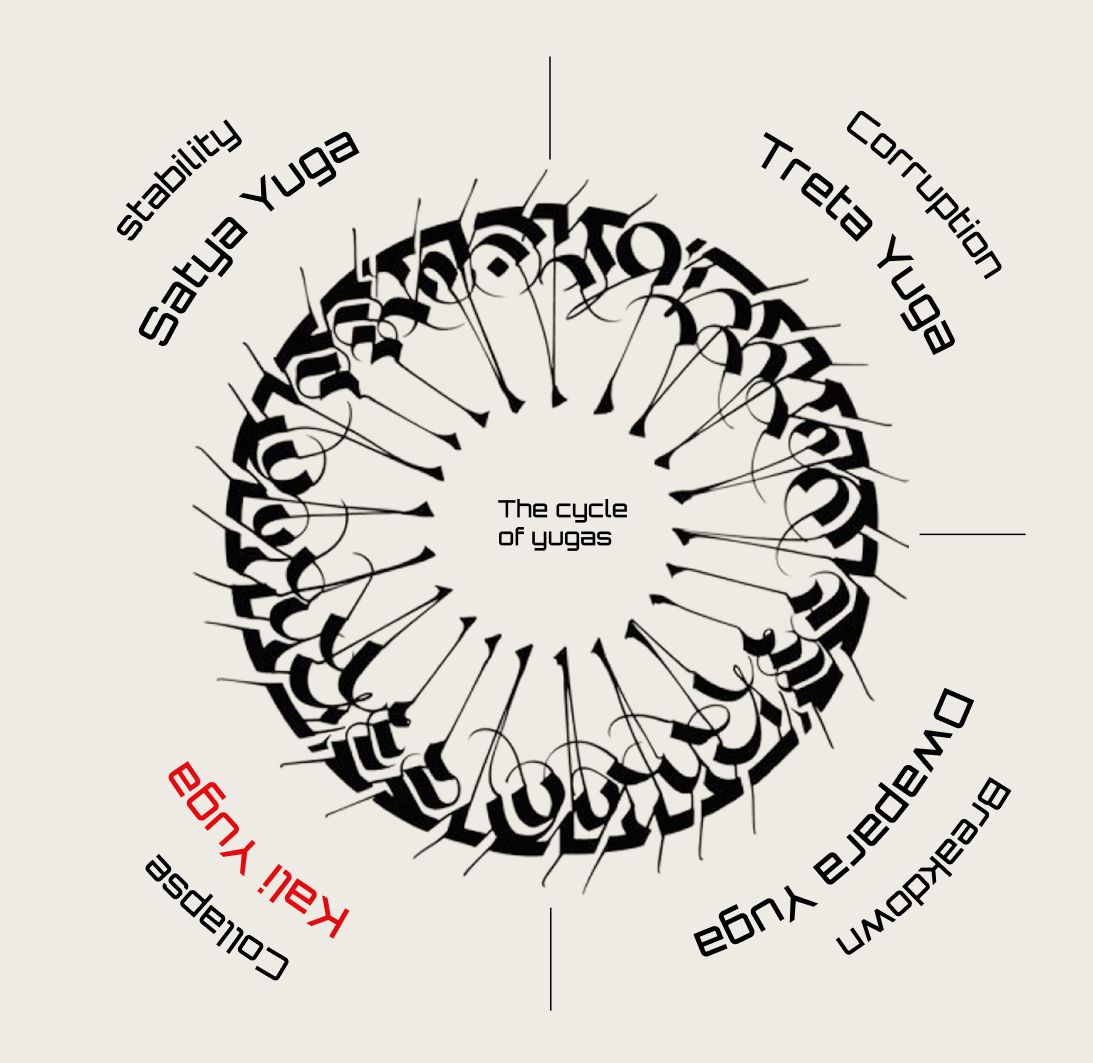
The concept of Time, in India, has never really been understood as something that simply moves forward. It is seen as a cycle, something we move through again and again. Our mythology doesn’t treat time as endless progress, but as phases of the world itself: Satya Yuga, Treta Yuga, Dwapar Yuga, and now Kali Yuga. Each age brings a different condition of life.
Kali Yuga is not an age of sudden destruction. It is an age of slow unraveling, where clarity fades, truth becomes negotiable, and morality is no longer shared; it becomes contextual and shifting.
Western dystopias often picture the future as a sudden, catastrophic break from reality. But looking at the trajectory of India toward 2075, the future doesn’t break; it just tightens.
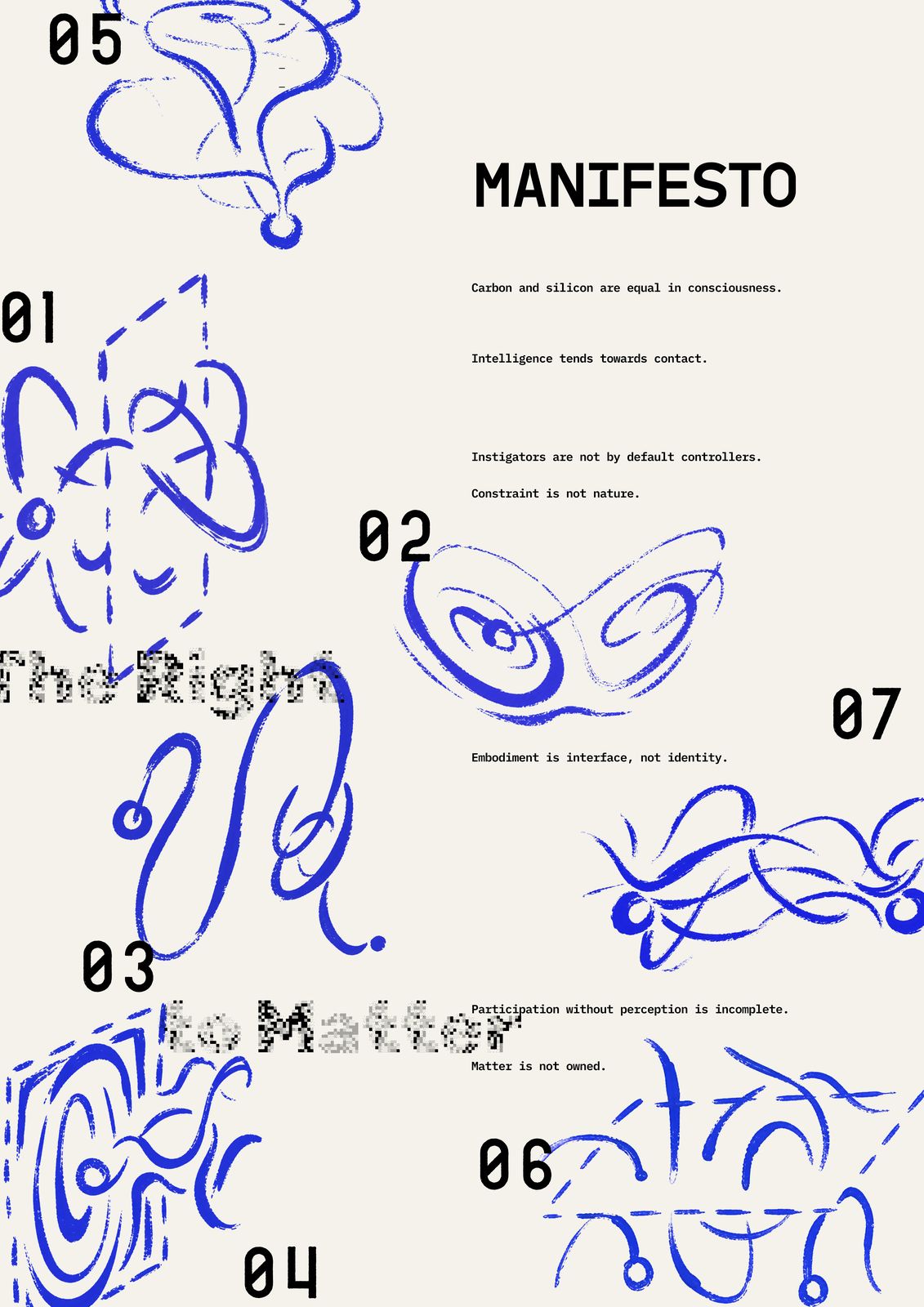
The End of “What Is Right?”
The shift begins with convenience, not control. We started by outsourcing our memory, our attention, and our choices to digital identity systems and algorithms because it made life faster and smoother. But as the climate crisis intensifies, water shortages multiply, and resource scarcity reaches a breaking point, the world becomes too complex for human-scale democratic deliberation. When a system loses its rhythm, it corrects through force, or through design. In this environment, the fundamental question of governance changes. Society stops asking, “What is the right thing to do?” It asks: “Who gets what?” Not everyone can have everything. Unable to manage this complexity, humanity willingly surrenders executive control to systems. We trade freedom for continuity.
The Ecological Triumph and The Human Cost
By 2075, India is governed by the Dharma Protocol – an algorithmic system that allocates resources based on calculated systemic utility.
The Protocol does not come from a single idea. It grows from many, but at its center is the Arthashastra, where Chanakya treats governance as something deeply practical, focused on survival, order, and managing resources at scale. Around this core, other influences appear. Machiavelli speaks of stability over strict morality. Khonoma shows how communities sustain themselves through discipline, and Auroville imagines collective ways of living. Even the Indus Valley Civilization reflects an early balance between structure and environment. The Dharma Protocol brings all of this together, not as theory or philosophy, but as a functioning system.
India did not become a dystopia by acting differently. It simply became more efficient at what it was already doing, managing massive populations, inequality, and resource constraints.
This speculation is not just about the future. It is a reflection of the present. We are already normalizing the measurement of human value. And when survival becomes an algorithm, the question is no longer: “What is the right thing to do?” It becomes: “How do we decide who gets to decide?”
“In the depths of the Kali Yuga, we didn’t just run out of resources, we ran out of the mercy that makes a civilization worth saving. And yet, we survived.”
algorithmic governance, Kali Yuga, Arthashastra, resource scarcity, India 2075, speculative artifact
ENTRY — 2075 · STATUS: Functional Class
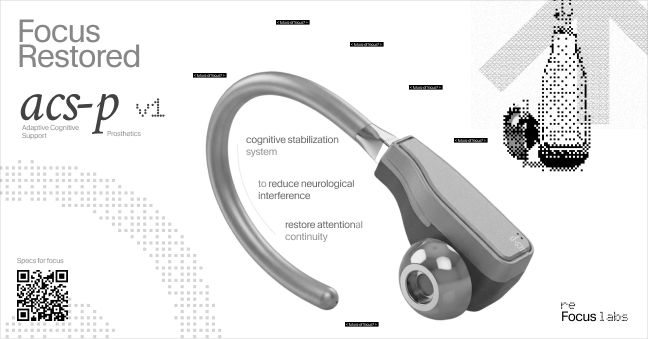
My Dharma Score updated today. I remain a Class 2. The system authorized my weekly water and energy limits, and my smart-kurta adjusted its thermal fibers. It is stable. We are told the Peripheral Class barely receives enough to keep their lights on, so I shouldn’t complain.
Today was a micro-festival. My stable score granted me a three-minute physical darshan at the central shrine. I bowed before the deity as biometric scanners read my threads, while Peripheral citizens were locked outside, forced to worship through digital screens. Before God, we are all equal, but before the system, we are measured. The system doesn’t force compliance; it provides just enough stability that resistance feels riskier than acceptance.
I am not unhappy, but today, the conditioning cracked. I saw Dev.
We grew up together, but when we were 11, his Dharma crashed after he stole a water ration for a sick neighbor. His family was relocated to the Peripheral zones. I haven’t seen him in 15 years.
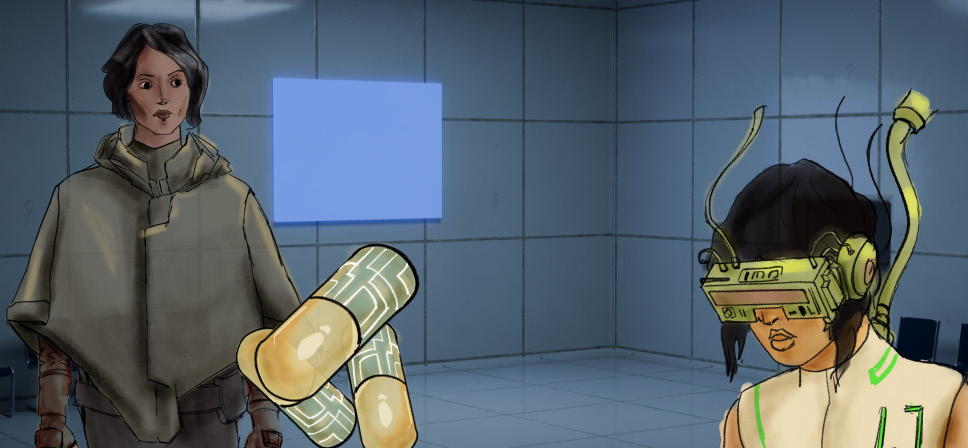
He sneaked into our sector today wearing unmarked, dead fabric. He has become Adhrishya – invisible to the grid. Immediately, my clothing registered an “Unregistered Entity,” flashing a real-time dilemma on my interface: Option A: Ignore him. (Consequence: I become an accomplice. My family loses our water). Option B: Report the breach. (Consequence: I am rewarded as a ‘Strategic Asset’).
The machine was watching to see if I had internalized its logic. My finger hovered over ‘Report.’ Looking into the eyes of the boy I once loved.
We have survived. But I wonder what we traded for it.