Media Lab
Department of Design, IIT Guwahati
Projects / Speculative Design / Dead Drop
When the cloud dies, what’s yours?
Every time you upload a file to a cloud service, you sign a contract. The contract is long. The font is small. The lawyers who wrote it are very good at their jobs. You click ‘I Agree’ and move on.
What you agreed to, in most cases, is this: the company may scan, analyse, index, and process your files for the purposes of improving their services, enforcing their policies, complying with legal requests, and generating insights from aggregate usage. In plain language: they read your files. Not always a human. Usually a machine. But a machine trained to flag, categorise, and report. This is not a conspiracy theory. It is disclosed in the terms of service of Google Drive, Microsoft OneDrive, Dropbox, iCloud, and every major cloud storage provider operating today. The scanning happens. The question is only what is done with the results.
The economic logic of free cloud storage is well understood: if you are not paying for the product, you are the product. But the specific currency being exchanged deserves examination. When Google Drive scans your uploaded documents, it is building a model of you, your writing patterns, your research interests, your professional relationships, your financial situation, your health concerns, your political inclinations. These models are extraordinarily valuable. They are sold, in aggregate, to advertisers. They are shared, individually, with governments. They are retained, indefinitely, even after you delete the file.
When you delete a file from a cloud service, you remove it from your view. The service retains the right – and in many cases the obligation – to keep copies for purposes of legal compliance, audit trails, and backup redundancy. Your deleted thesis draft, your discarded medical notes, your abandoned private journal: these do not vanish. They wait.
To understand why Dead Drop matters as a design object, it helps to understand the architecture it is designed to resist. Large cloud providers do not store your data in one place. They distribute it across dozens of data centres, in multiple jurisdictions, subject to the laws of the country where a server sits. This is presented as resilience. It is also exposure. A file stored redundantly across data centres in the United States, Ireland, Singapore, and Australia is simultaneously subject to the legal frameworks of all four jurisdictions. A government in any of those countries can, with appropriate (or sometimes inappropriate) legal authority, compel the disclosure of that file’s contents without notifying you, without your consent, and sometimes without any judicial oversight at all.
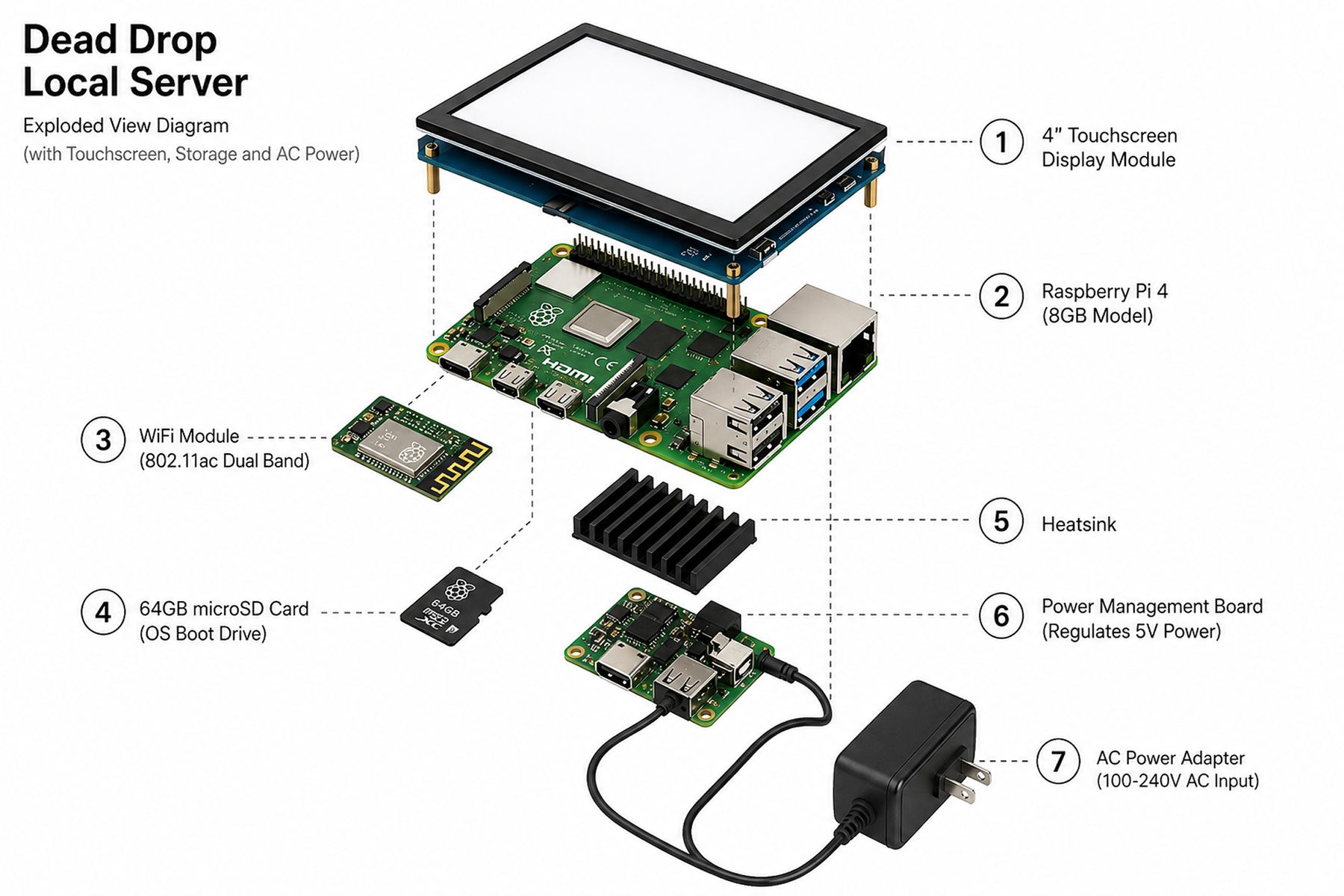
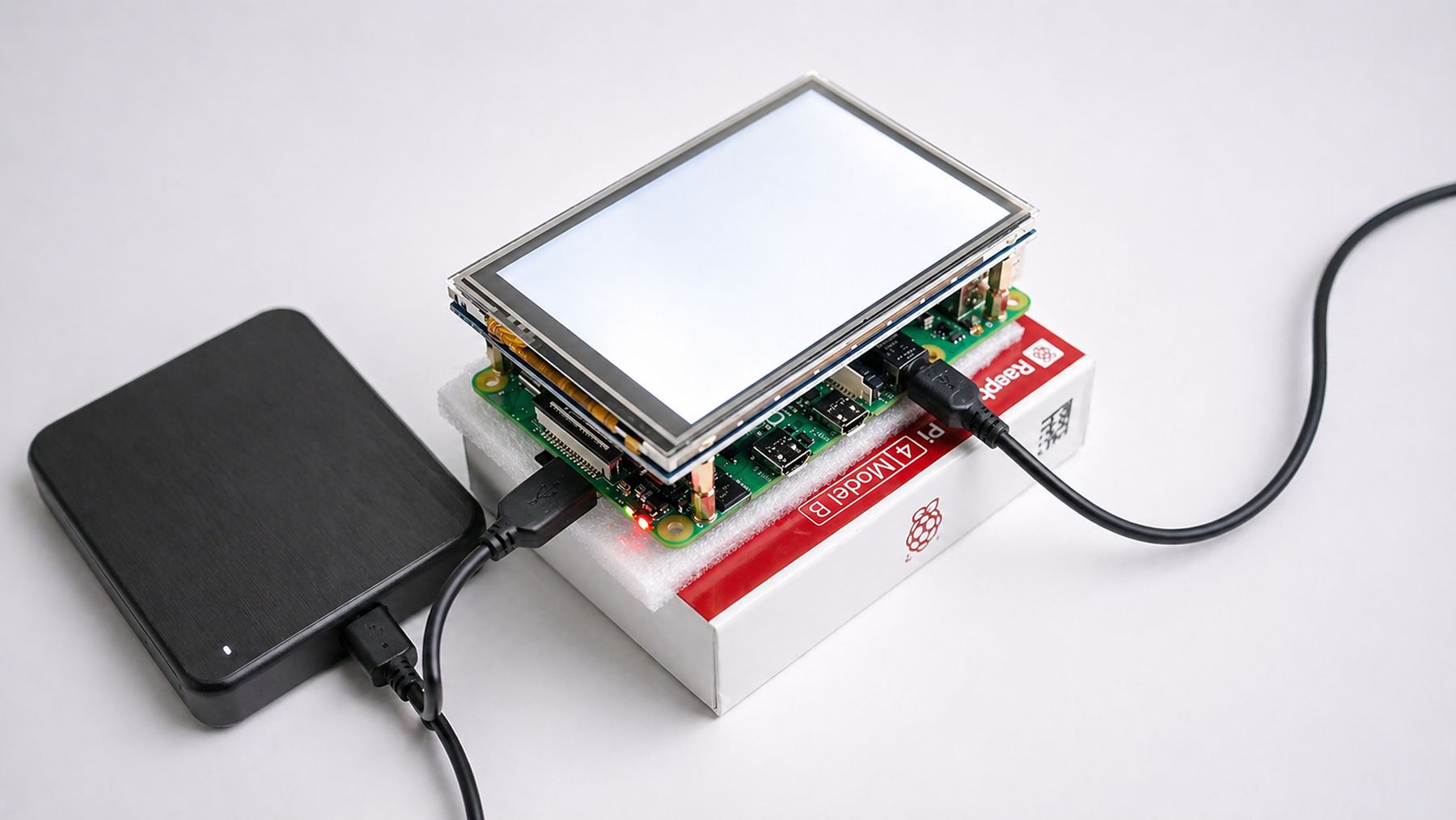
Dead Drop is not presented as a complete alternative. A Raspberry Pi server in a university studio cannot replace global cloud infrastructure. It is presented, instead, as a proof of possibility evidence that the architecture of surveillance and dependency is a choice, not an inevitability.
The scenarios in this project are not science fiction. They are extrapolations of systems already running, agreements already signed, and laws already passed. The memory that expires behind a paywall, the creative process quietly harvested as training data, the server that stays physical but loses its privacy these trajectories require no invention. They only require time.
Dead Drop exists at the intersection of two ideas that the technology industry has spent considerable effort separating: ownership and access. The industry would prefer you rent. Renting is recurring revenue. Renting means your data lives on their hardware, under their jurisdiction, readable by their systems and the governments that knock on their doors.
The open-source software running this server was built on a different premise that tools should be transparent, auditable, and answerable to the person using them. Not to a board. Not to an algorithm. Not to a compliance department in another country. This project does not romanticise the past or predict the future. It builds a present small, physical, humming quietly in which your files are yours, your creative process is yours, and your data does not wait in someone else’s archive for a purpose you were never told about.
“Deletion is not erasure... It is de-indexing.”
“This is not a technical statement. It is a political one.”
data ownership, cloud storage, surveillance, open source, Raspberry Pi, privacy